Fitness Trackers
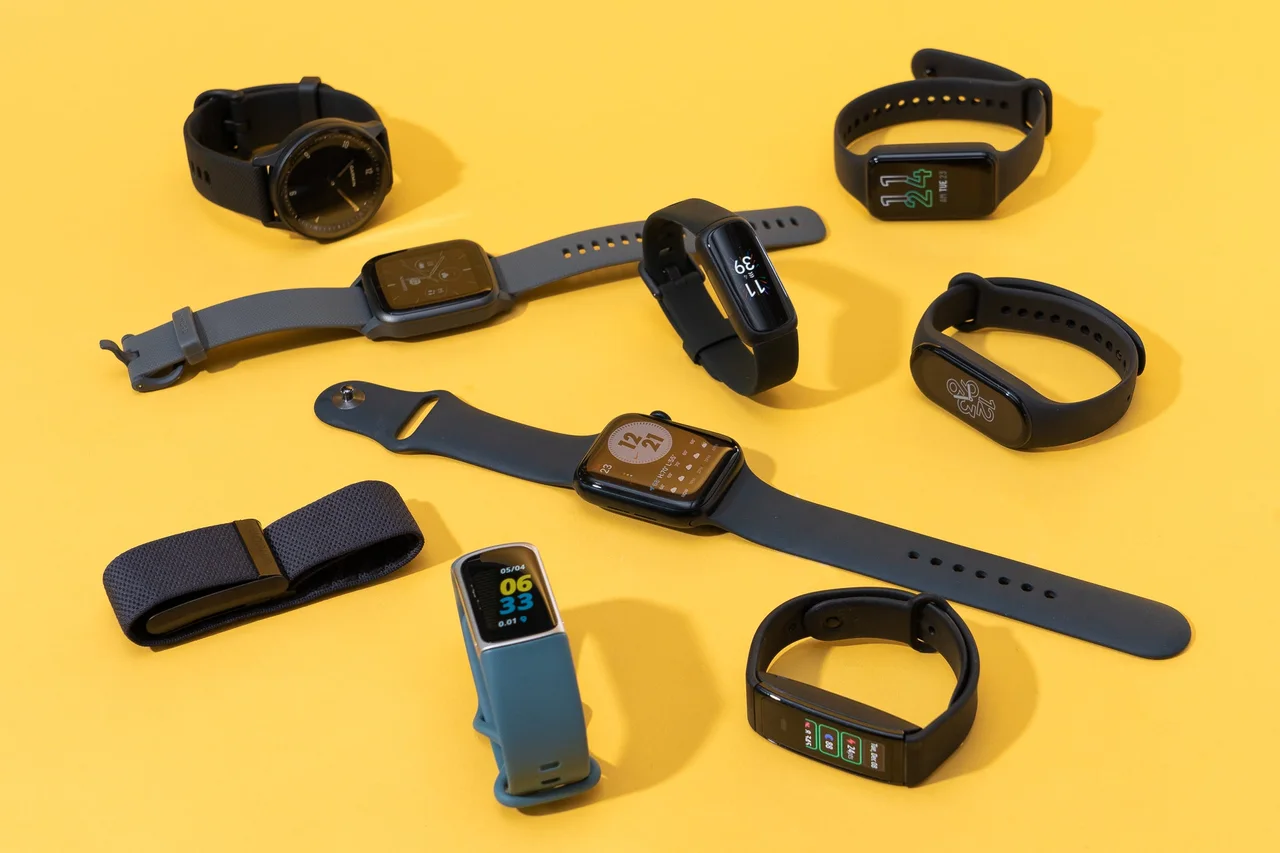
When you're shopping for a fitness tracker, it's best to focus on the metrics that are actually reliable: step counting, heart rate monitoring, and sleep tracking (kind of?). Honestly, most other features aren't very dependable.
Don’t treat calorie burn estimates from smartwatches as exact. A 2020 systematic review by Fuller et al. found that consumer wearables often perform poorly at estimating energy expenditure, even when they measure steps and heart rate reasonably well. Across brands like Apple, Garmin, Polar, and Withings, calorie burn estimates frequently showed substantial error, often in the 15–40% range and sometimes exceeding 50%. Wearables can still be useful for tracking trends, but not for precise calorie calculations.
Step counting is great for people who want to increase their activity level (which also boosts your Maintenance Calories), especially when you're Sedentary and working toward a daily step count target and have a tracker showing how many steps you have left. Heart rate monitoring is useful for finding your Zone 2, check out this Zone 2 Cardio Guide.
Sleep tracking is also reasonably reliable for estimating your sleeping hours. Beyond that, I find most other fitness tracker features rely heavily on heuristics and aren't particularly reliable. Those are the main reasons I use a fitness tracker.
If your goal is to track maintenance calories or calorie burn, you do not need any tracker or smartwatch for this, checkout Maintenance Calorie Tracking Guide. The method described in the guide is more accurate than wearables like Apple Watch, Garmin, or Whoop, while not requiring you to wear any sensor.
While it's true that most super-cheap trackers are a waste of money, you can find some excellent budget options that are surprisingly accurate where it counts.
The YouTuber The Quantified Scientist, who does incredibly detailed reviews, ranks the Huawei Band 9 as a top contender in the under 250.
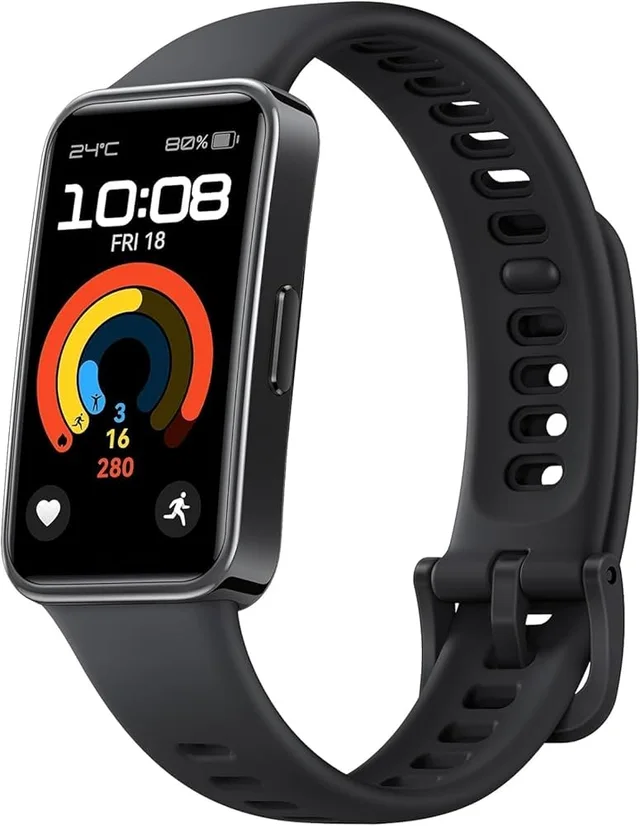
Looking at the competition, the Fitbit Inspire 3 is often praised for its health tracking, but it costs a little over $100 and there isn't a direct comparison from The Quantified Scientist against the Huawei Band 9. Xiaomi’s Smart Band 9 is another direct competitor, but it also hasn't been put through a comprehensive review by him yet. Other budget devices, like the GOQii Stream and Honor Band 6, have been tested by various reviewers but don't seem to consistently beat what the Huawei Band 9 offers.
Drilling down into the specifics, the Huawei Band 9’s heart rate accuracy is powered by its TruSeen 5.5 technology, making it one of the best in its price range. While step tracking gets less attention in reviews, Huawei's is known to be generally reliable. For sleep tracking, the Huawei Band 9 again performs exceptionally well. The Fitbit Inspire 3 might be a close competitor here, but without validation from The Quantified Scientist, it's hard to say for sure.
Ultimately, based on the data we have, the Huawei Band 9 is the clear choice if you want to stay under $100. No other budget tracker seems to outperform it across all three key metrics. Unless you’re willing to spend more, it offers the best value for reliable fitness data.
A couple of important warnings, though. For users in India, Huawei apps are banned from the Play Store, which means you have to "sideload" the app. I recently bought these bands to test them, and getting the Huawei app working is a hassle. You have to disable Google Play Protect and find the correct Huawei Health version on a site like APKMirror, a process that is probably too technical for the average user. Be sure to research this for your device. Similarly, Xiaomi's services are also banned in India, but you can get around it by setting your country to UAE in the app.
You can find the Huawei Band 9 on Amazon and Flipkart. The Xiaomi Smart Band 9 is available on some Indian sites like Frupper, but you'll want to do your own research on the seller.
Do you want to track calories the most reliable way? Checkout our Calorie Tracking Guide