What is Zone 2 Cardio?
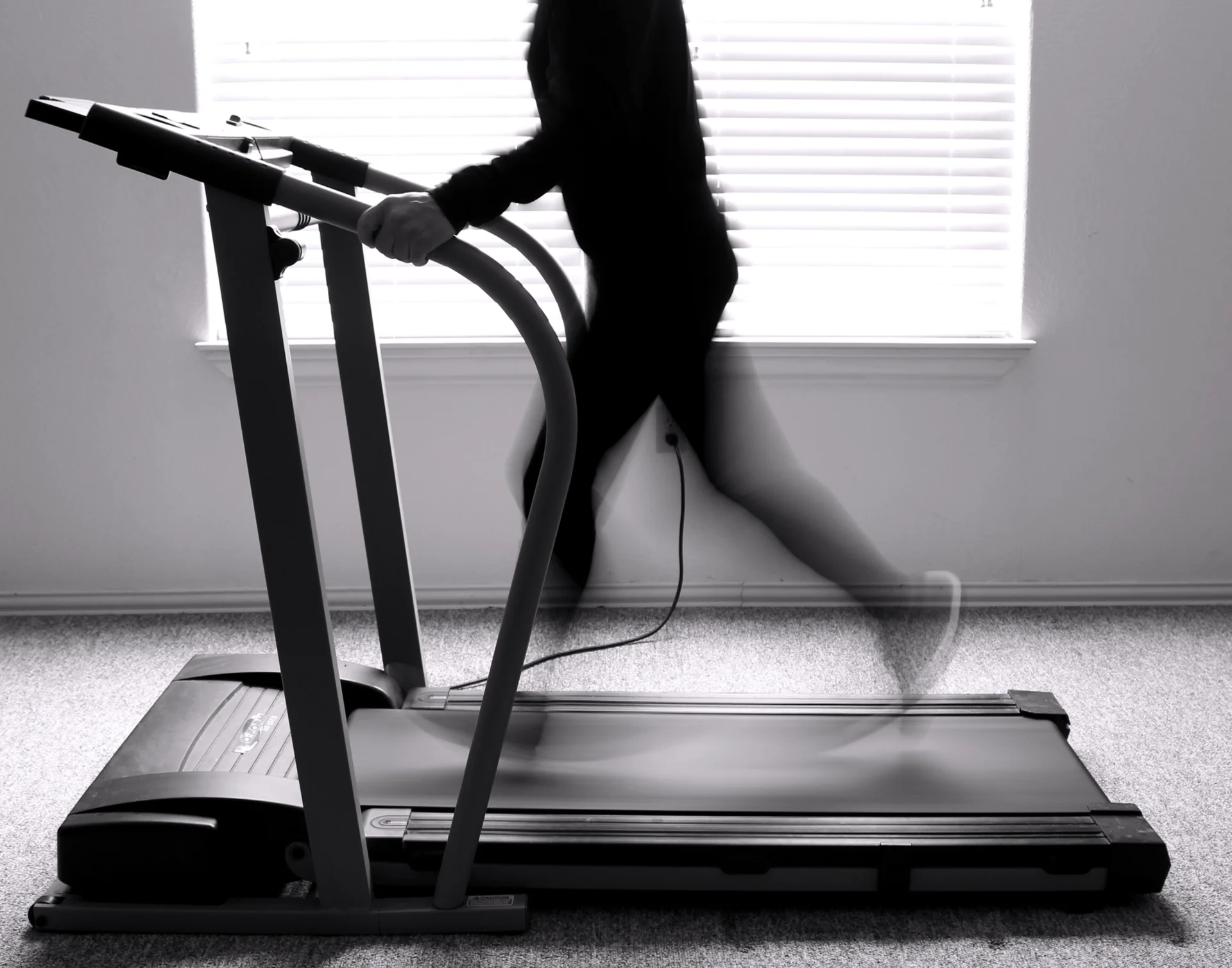
Watch people on treadmills next time you're at the gym. You'll notice their settings are all over the place, even if they're all aiming for a Zone 2 heart rate. That's because the right speed and incline depend heavily on your weight, your current fitness level, and even the brand of the machine you're using. Rather than obsessing over a precise number on the screen, you'll get much better results by learning what Zone 2 actually feels like in your body.
Picture a pace where you can comfortably carry on a conversation, but you definitely don't have enough breath to sing. That's the essence of Zone 2. Your breathing will be steady, just slightly deeper than when you're resting. When you train at this moderate intensity, your aerobic energy pathway does most of the heavy lifting. This signals your body to burn a higher percentage of fat for fuel than it would during high-intensity intervals. Ultimately, this range serves as the ideal training ground to increase your mitochondrial density, optimize your metabolic efficiency, and teach your body to use fat more effectively.
If you want a quick way to estimate your target heart rate for Zone 2, a straightforward formula works well:
-
Estimate your maximum heart rate (HRmax):
HRmax = 220 − your age
-
Calculate 60% to 70% of that number to find your approximate Zone 2 heart rate range.
Example:
Let's say you're 30 years old:
HRmax = 220 − 30 = 190 bpm
Now, find 60% and 70% of 190:
- 60% of 190 = 114 bpm
- 70% of 190 = 133 bpm
Your estimated Zone 2 heart rate range would be 114 to 133 beats per minute (bpm).
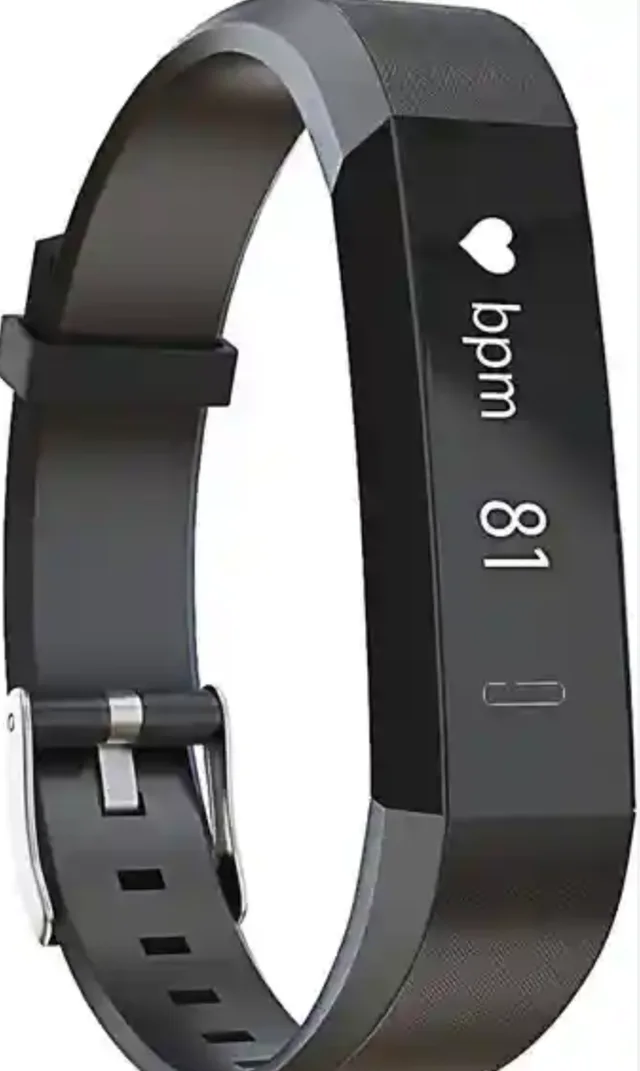
Keep in mind that this math only gives you a rough estimate. Your actual maximum heart rate might be a bit higher or lower, but this calculation is plenty accurate for anyone looking to stay in the right training zone. Wearing a fitness tracker or a heart rate monitor lets you keep tabs on your pulse in real time, making it simple to adjust your effort and stay on target.
Why choose Zone 2?
Don't fall for the outdated myth that Zone 2 is the only zone where you burn fat. Your body can burn fat during almost any kind of exercise. Fat loss isn't the main reason to prioritize this specific intensity level. Instead, the real benefits come from how sustainable and gentle it is on your body:
- Since it's a low-to-moderate effort, it places very little stress on your joints, tendons, and central nervous system.
- Most people can easily sustain this pace for long stretches, ranging from 30 minutes to over two hours.
- Because the recovery cost is minimal, you can accumulate a high volume of training every week without burning out.
- It significantly boosts your baseline aerobic capacity by building mitochondria, improving capillary networks, and making your body more efficient at oxidizing fat.
- It's highly accessible: you can easily catch up on your favorite TV shows or watch YouTube while keeping your heart rate in the zone [Coyle, 1995; Støren et al., 2017].
Sprinting and other high-intensity workouts do burn more calories per minute, but they also take a heavy toll on your joints. If you're carrying extra weight or just starting out, high-intensity training can be incredibly difficult to sustain long enough to see a meaningful calorie burn, and the risk of getting hurt is much higher.
Choosing Your Zone 2 Activity for Fat Loss and Joint Health
Brisk Walking or Incline Walking Walking is an incredibly versatile option that works for almost everyone. It typically burns between 200 and 300 calories per hour, depending on how much you weigh and how fast you move. Best of all, you can do it daily with an incredibly low risk of injury.
Cycling (Stationary or Road) If your knees or hips tend to ache, cycling is a brilliant alternative. It burns about 300 to 500 calories per hour and allows you to easily lock in a steady, predictable heart rate for your entire session.
Swimming (Slow, Steady Laps) Swimming offers a superb, low-impact, full-body workout. It's an exceptionally good option for heavier individuals because the water supports your weight, all while burning between 400 and 600 calories an hour.
Let's look at a practical example of how this plays out. Imagine Alex, who weighs 75 kg (around 165 lbs), decides to add four 45-minute cycling sessions to his weekly routine. Moderate cycling has a Metabolic Equivalent of Task (MET) value of roughly 6.8. Using the standard formula (6.8 METs × 75 kg × 0.75 hours), we find that Alex burns approximately 382.5 calories per session. Over the course of a week, that adds up to an extra 1,530 calories burned.
Since you need to create a deficit of roughly 7,700 calories to lose a kilogram of fat, this new habit alone could help Alex drop about 0.2 kg (nearly half a pound) per week. If his diet is already structured to lose 0.5 to 0.6 kg weekly, adding these rides could push his total weekly fat loss to 0.7 or 0.8 kg. While these numbers are estimates (actual calorie expenditure varies based on several personal factors), the cumulative progress won't disappoint.
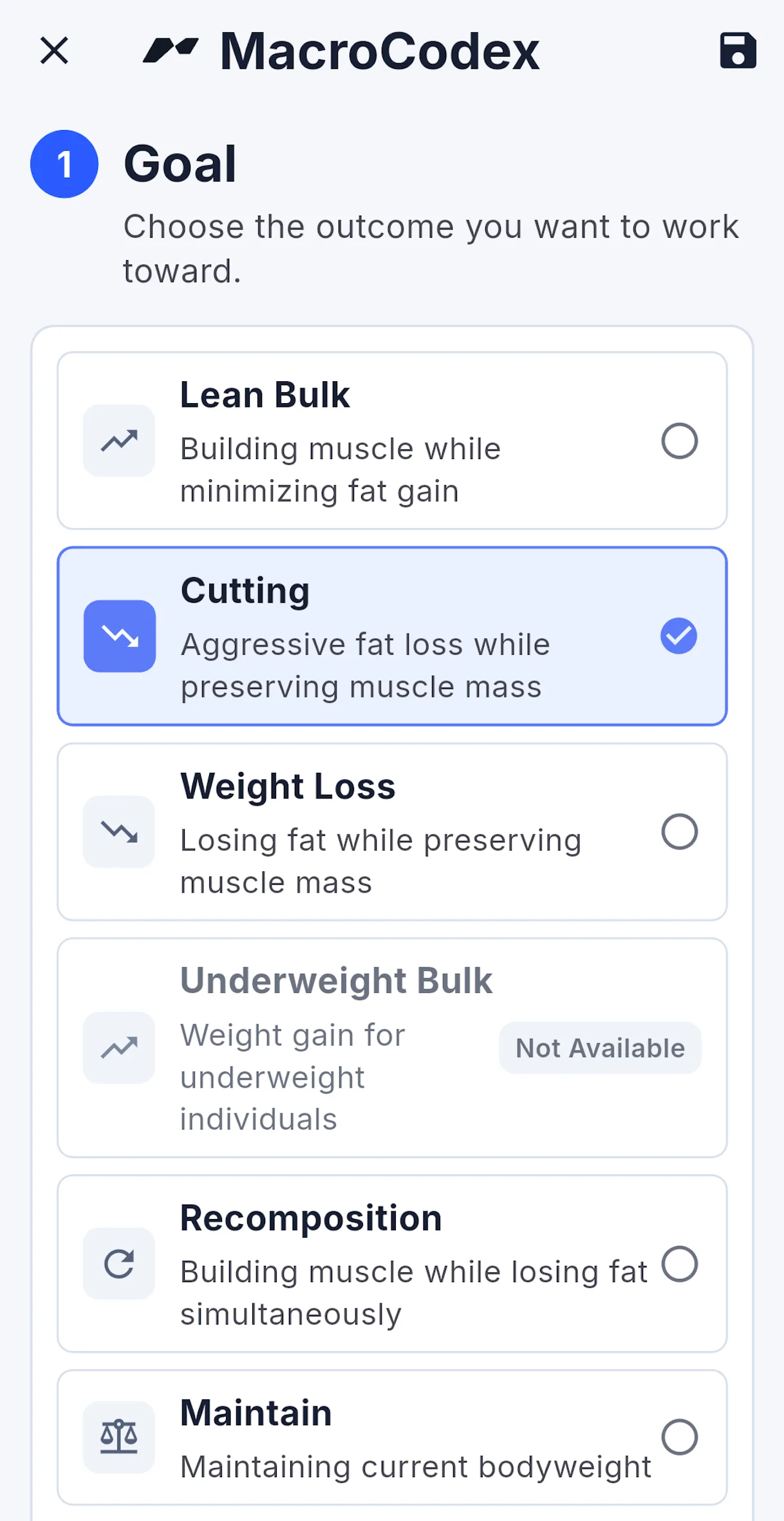
If you're not sure how to calculate your personal calorie deficit, don't worry. Check out MacroCodex. All you need to do is select weight loss, and it will calculate the precise calories and macronutrients you need to consistently shed weight and avoid plateaus. You can expect to see clear results within 5 weeks.
Finding Your Zone 2 on a Treadmill
Because everyone has a unique fitness background, there is no single treadmill setting that works for everyone. You can use these starting guidelines to find your sweet spot:
- If you're new to exercise (for example, if you weigh over 80 kg and are mostly sedentary), a gentle walk might be all you need to reach Zone 2. Start with a speed of 4 to 5 km/h (2.5 to 3.1 mph) and keep the incline flat or very low, around 0% to 2%.
- If you're moderately active (perhaps weighing between 60 kg and 80 kg), you'll likely need a brisk walk or even a very slow jog. Try setting the machine to a speed of 5 to 6.5 km/h (3.1 to 4 mph) with a moderate incline of 3% to 5%.
- If you're already in good shape (and weigh under 60 kg), you'll probably need a light jog or a steeper hill to push your heart rate into the target zone. A solid starting point is a speed of 6.5 to 8.5 km/h (4 to 5.3 mph) with an incline of 1% to 3%.
How to Test and Confirm Your Zone 2
Use this straightforward routine to pinpoint your settings on a treadmill:
- Start warm-up walking at 4 km/h with no incline (0%).
- Every two or three minutes, make minor adjustments upward to either your speed or your incline.
- Monitor your heart rate periodically using your wrist tracker or the metal handgrip sensors on the treadmill.
- Pay attention to the talk test (it remains the most reliable indicator). If you can easily speak full sentences without pausing to catch your breath, you're in Zone 2. If you find yourself cutting sentences short or gasping for air, you've pushed too far.
- When you identify the speed and incline that keep your heart rate steady in that 60% to 70% range, note them down, as those are your target settings.
Can You Rely on a Budget Fitness Band?
Is a budget-friendly fitness tracker, like the Huawei Band 9, accurate enough for this kind of training? The short answer is yes, especially for steady-state workouts. These bands use optical photoplethysmography (PPG) sensors at your wrist. Although they aren't perfect, their accuracy is surprisingly solid for steady activities. When you're walking or cycling at a steady rhythm, these devices usually stay within 3 to 5 beats per minute of a medical-grade chest strap [Gillinov et al., 2017]. They can lose accuracy during sudden, high-intensity movements, but for continuous Zone 2 exercise, they work incredibly well.
This reliability is supported by clinical research. A 2020 study conducted by Wallén et al. demonstrated that wrist-worn sensors maintained an error rate of under 5% during moderate exercise [Wallén et al., 2020]. In another study from 2017, Gillinov et al. concluded that wrist-worn optical monitors provided plenty of accuracy for treadmill walking compared to traditional chest straps [Gillinov et al., 2017]. When paired with the subjective feedback of the talk test, an affordable fitness tracker is a highly effective tool for keeping your training on track.
References
- Coyle, E.F. (1995). Integration of the physiological factors determining endurance performance. Exercise and Sport Sciences Reviews, 23, 25–63.
- Støren, Ø. et al. (2017). Improved running economy via strength training. Journal of Strength and Conditioning Research, 31(4), 1040–1046.
- Gillinov, S. et al. (2017). Variable accuracy of wearable heart rate monitors during exercise. Cardiology, 138(2), 97–103.
- Wallén, M. et al. (2020). Accuracy of wrist-worn optical HR sensors during moderate exercise. Eur J Sport Sci, 20(8), 1039–1046.